Wholesale THCP
Bulk THCP: Tetrahydrocannabiphorol for Hemp Manufacturers
Rare High-Potency Hemp Cannabinoid for Differentiated Vape and Edible Lines
4.8 out of 5 average from 5 buyer reviews of these products See ratings
Bulk THCP wholesale by the kilo, from $4,149 per kg, with much lower per-kg pricing at higher volume and larger orders by quote. THCP comes as THCP distillate at 80%+ THCP for vape and edible manufacturers, plus THCP-infused hemp flower by the pound and retail-ready products. Minimum order on ingredients is 100g to 1kg depending on the product, and the batch COA ships with every order.

- 11products in stock
- From $4,149/kglowest online price (THCP Distillate, 1kg)
- 80%+THCP distillate
- Third-party ISO 17025, DEA-registered labs
- Batch COA with every order
- cGMP Standards
- Ships same or next day once paid
- Pay after we confirm
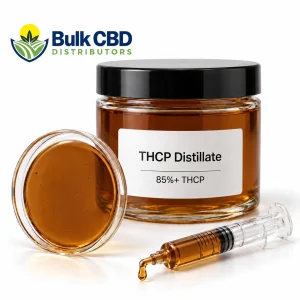 DistillateIn stock
THCP Distillate
4.8 out of 5 (5 reviews)
- Potency
- 85%+ THCP
- Delta-9 THC
- 0.3% or less
- Sizes online
- 100g, 250g, 500g, 1kg
From $4,149/kg$695 (100g) to $4,149 (1kg)Batch COA sent with every order
Choose size for THCP Distillate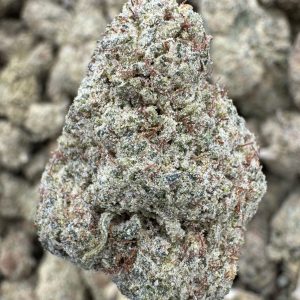 Hemp flowerIn stock
Cherry Gelonade THCP Flower
- Sizes online
- 1lb
From $995/lbBatch COA sent with every order
Choose size for Cherry Gelonade THCP Flower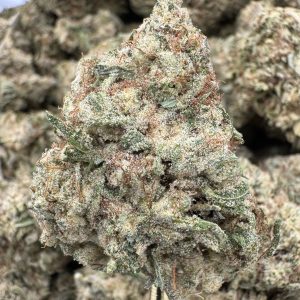 Hemp flowerIn stock
Florida Kush THCP Flower
- Sizes online
- 1lb
From $995/lbBatch COA sent with every order
Choose size for Florida Kush THCP Flower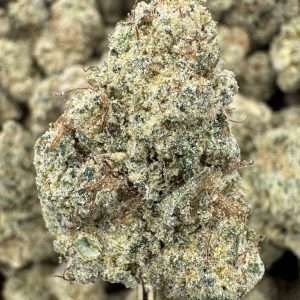 Hemp flowerIn stock
Lemonati THCP Flower
- Sizes online
- 1lb
From $995/lbBatch COA sent with every order
Choose size for Lemonati THCP Flower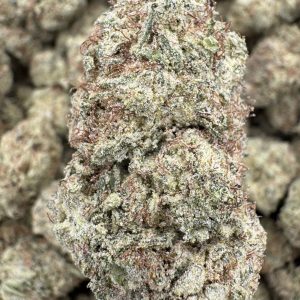 Hemp flowerIn stock
Platinum Bubba Kush THCP Flower
- Sizes online
- 1lb
From $995/lbBatch COA sent with every order
Choose size for Platinum Bubba Kush THCP Flower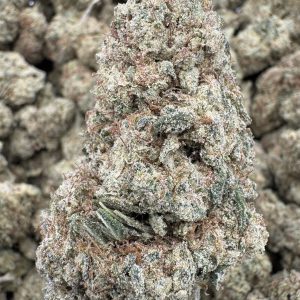 Hemp flowerIn stock
Sour Strawberry Diesel THCP Flower
- Sizes online
- 1lb
From $995/lbBatch COA sent with every order
Choose size for Sour Strawberry Diesel THCP Flower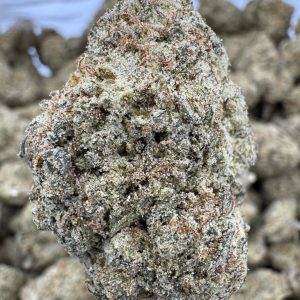 Hemp flowerIn stock
South Florida OG THCP Flower
- Sizes online
- 1lb
From $995/lbBatch COA sent with every order
Choose size for South Florida OG THCP Flower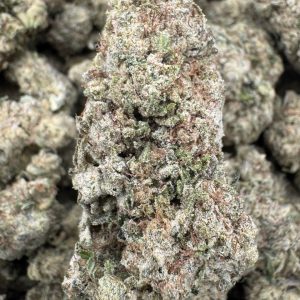 Hemp flowerIn stock
Strawberry Cough THCP Flower
- Sizes online
- 1lb
From $995/lbBatch COA sent with every order
Choose size for Strawberry Cough THCP Flower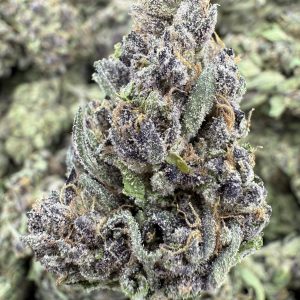 Hemp flowerIn stock
Sundae Driver THCP Flower
- Sizes online
- 1lb
From $995/lbBatch COA sent with every order
Choose size for Sundae Driver THCP Flower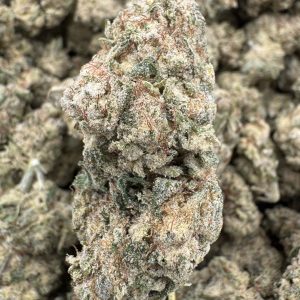 Hemp flowerIn stock
Super Lemon Haze THCP Flower
- Sizes online
- 1lb
From $995/lbBatch COA sent with every order
Choose size for Super Lemon Haze THCP Flower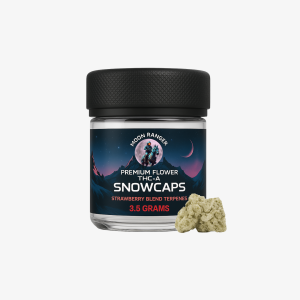 Retail flowerIn stock
Moon Ranger Aurora Peaks THCa Snow Caps Candy Crush 3.5g
From $960Batch COA sent with every order
View product for Moon Ranger Aurora Peaks THCa Snow Caps Candy Crush 3.5g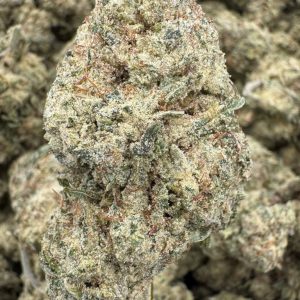 Hemp flowerOut of stock
King Louis OG THCP Flower
- Sizes online
- 1lb
From $995Batch COA sent with every order
Choose size for King Louis OG THCP Flower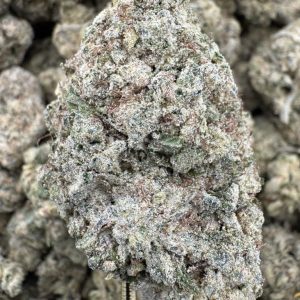 Hemp flowerOut of stock
Mint Chocolate Chip THCP Flower
- Sizes online
- 1lb
From $995Batch COA sent with every order
Choose size for Mint Chocolate Chip THCP FlowerNeed 25kg, 50kg or 100kg+?
Volume pricing and standing monthly orders are by quote. Our sales team responds the same or next business day.
Request a bulk quoteOr call (303) 339-0343
How ordering works
- Choose a size and submit your order request. No payment is taken on the site.
- We confirm and email payment instructions for card, wire, Cash App or crypto.
- Most orders ship the same or next day once payment is made.


Trusted and Accredited
Independently reviewed by wholesale buyers on Google, Trustpilot, Sitejabber, and Chamber of Commerce.




Buyer review
Bulk CBD Distributors THCP distillate stands out for its purity and consistency. Lab reports were provided upfront, which gave us confidence in the quality. Customer service was responsive and professional throughout. Highly recommend this supplier.
Wholesale THCP Distillate for Cannabinoid Manufacturers
THCP (tetrahydrocannabiphorol, also written as THC-P) is a rare hemp cannabinoid first identified by Italian researchers in 2019. It is structurally similar to Delta 9 THC but with a longer carbon side chain (seven carbons compared to THC's five). Reports suggest THC-P is significantly more potent per milligram than Delta 9 THC at typical doses, making it useful as a potency-boosting input in premium vape cartridges, disposables, and infused edibles where brands want to differentiate from mainstream Delta 8 and Delta 9 product lines.
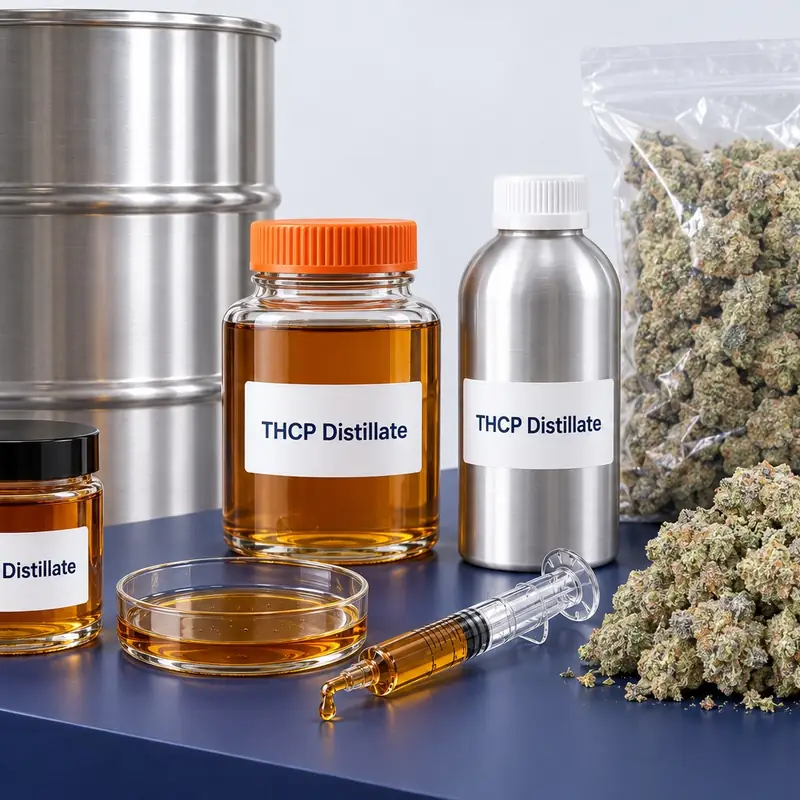
THC-P occurs naturally in hemp in very small quantities (typically <0.1%), so commercial THC-P is produced through specialized extraction and refinement processes from hemp inputs. Commercial THC-P distillate may also contain trace Δ8-THCP and other related cannabinoid isomers as natural byproducts of the production process; specific composition is documented batch-by-batch on the COA. MOQs are typically higher than mainstream cannabinoids (500g or 1kg starting) due to lower production volumes industry-wide. Every batch of THCP distillate we stock is third-party tested through ISO 17025-accredited, DEA-registered laboratories. COAs confirm THCP potency, Delta-9 THC compliance, residual solvents, pesticides, and heavy metals. Full COAs are available for review prior to purchase.
Quick Facts
Updated October 2026- Products
- 13 listed, 11 in stock
- Formats
- Distillate, Hemp flower, Retail ready
- Sizes online
- 100g to 1kg depending on the product; 25kg and up by bulk quote.
- Minimum order
- 100g to 1kg depending on the product.
- Testing
- Third-party ISO 17025-accredited, DEA-registered labs; the batch COA ships with every order.
- Shipping
- Most orders ship the same or next day once payment is made.
- Payment
- Card, wire, Cash App or crypto after we confirm your order. Wire is recommended for orders over $2,500.
Compare THC-P Ingredients
Potency, Delta-9 THC and online sizes for every THCP ingredient we list.
Scroll sideways to see every column ->
| Product | Type | Potency | Delta-9 THC | Sizes online |
|---|---|---|---|---|
| THCP Distillate | Distillate | 85%+ THCP | 0.3% or less | 100g to 1kg |
Ranges are typical and batch-dependent. The batch COA for your lot ships with every order.
THC-P Price per Kilogram
These are the current online prices (updated October 19, 2026). The price per kilogram drops as the size goes up: THCP Distillate is $6,950 per kg at 100g and $4,149 per kg at 1kg, 40% less. Payment is taken only after we confirm your order.
Scroll sideways to see every column ->
| Product | Starting size | Largest size online | Lowest price per kg |
|---|---|---|---|
| THCP Distillate | 100g, $695 | 1kg, $4,149 | $4,149.00Lowest |
| 25kg, 50kg and 100kg+ | Request a bulk quote | ||
Carefully Sourced Rare Cannabinoid Material
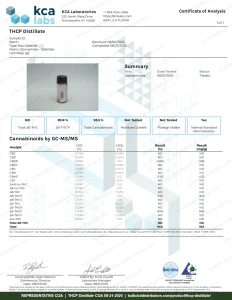
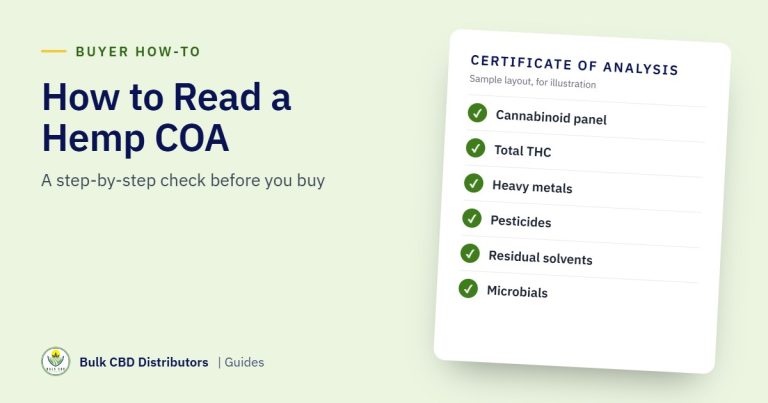
Every THCP ingredient we list is tested by third-party ISO 17025-accredited, DEA-registered laboratories. COAs cover cannabinoid potency, Delta-9 THC, residual solvents, pesticides and heavy metals. Listed COAs are representative of product quality; the batch COA for your lot ships with every order.
Representative COAs
Section 781 of P.L. 119-37
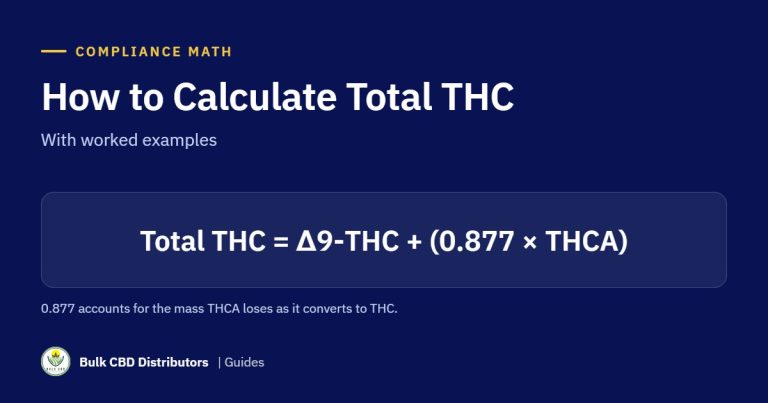
Section 781 of P.L. 119-37 changes the federal definition of hemp. Most provisions take effect December 11, 2026 under P.L. 119-103, and the exclusion for cannabinoids not capable of being naturally produced by the plant applies from November 12, 2026. The new definition measures total THC, including THCA, limits final products to 0.4 mg of total THC per container, and excludes cannabinoids synthesized or manufactured outside the plant. THCP is produced through synthesis or conversion steps, so THCP distillate and THCP-infused products are among the product types most directly affected by these exclusions. Confirm the status of your own products and markets before Section 781 takes effect.
Why B2B Formulators Choose BCD
ISO 17025 + DEA Lab Testing
Every lot tested by DEA-registered, ISO 17025-accredited third-party labs. A representative COA is listed on each product page.
Ships Same or Next Business Day
Most orders ship the same or next business day once payment is received. No waiting weeks for your order.
No-Questions Exchange Policy
Not the right fit? We exchange it, no questions asked. The customer pays shipping on all returns and exchanges, and returns follow our Terms.
THC-P Frequently Asked Questions
Common questions from manufacturers sourcing THC-P for premium product lines.
What is THC-P?
How potent is THC-P compared to Delta 9 THC?
Is THC-P legal?
What products is THC-P used in?
How is THC-P produced?
What's the MOQ on bulk THC-P?
What testing comes with THC-P?
What dosing levels are used in commercial THC-P products?
How should THC-P be stored?
How does THC-P compare to HHC, Delta 8, and Delta 9 THC?
How much does bulk THCP cost per kilogram?
Guides for THC-P Buyers
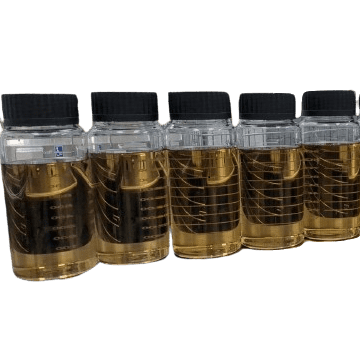
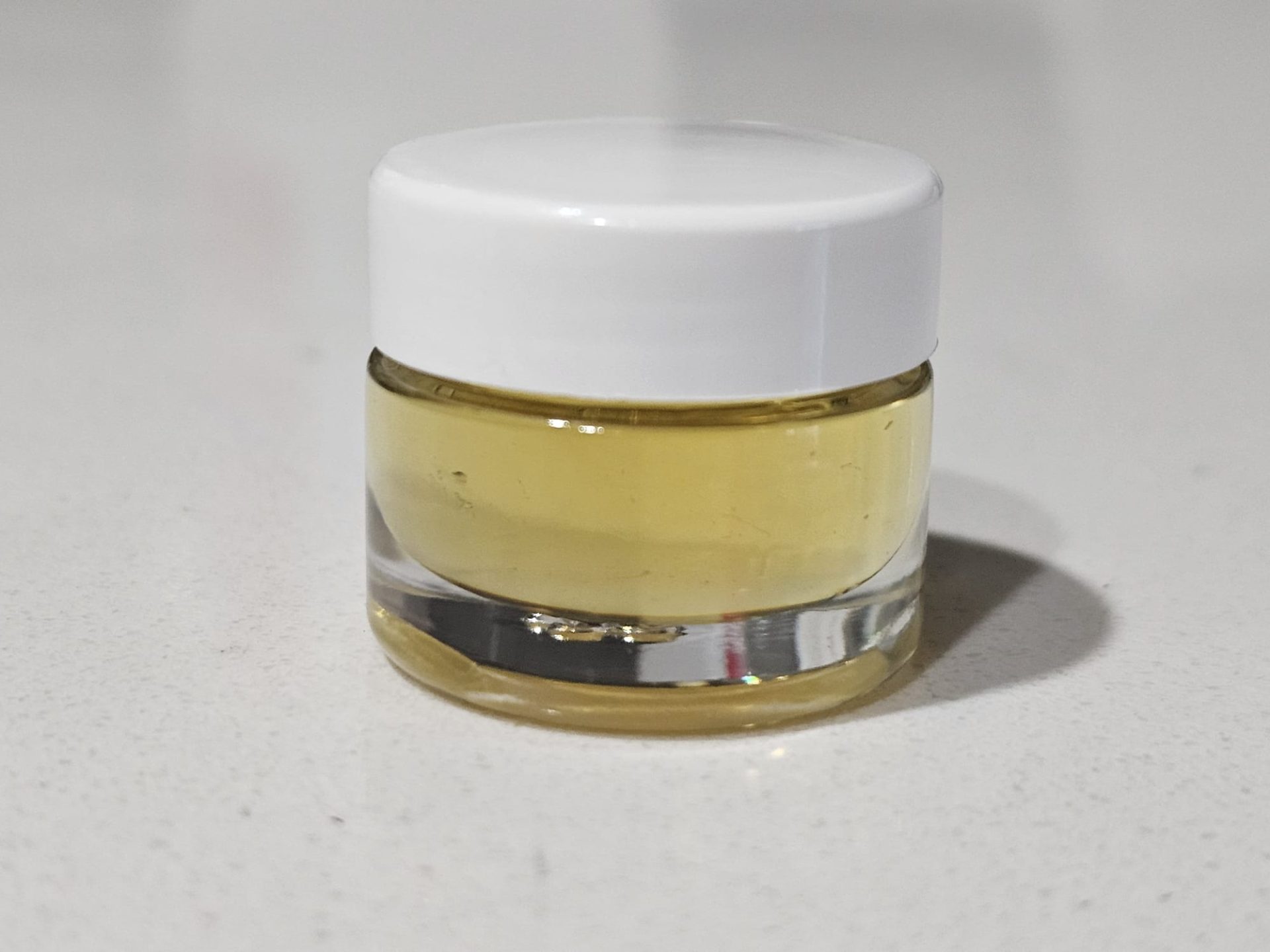
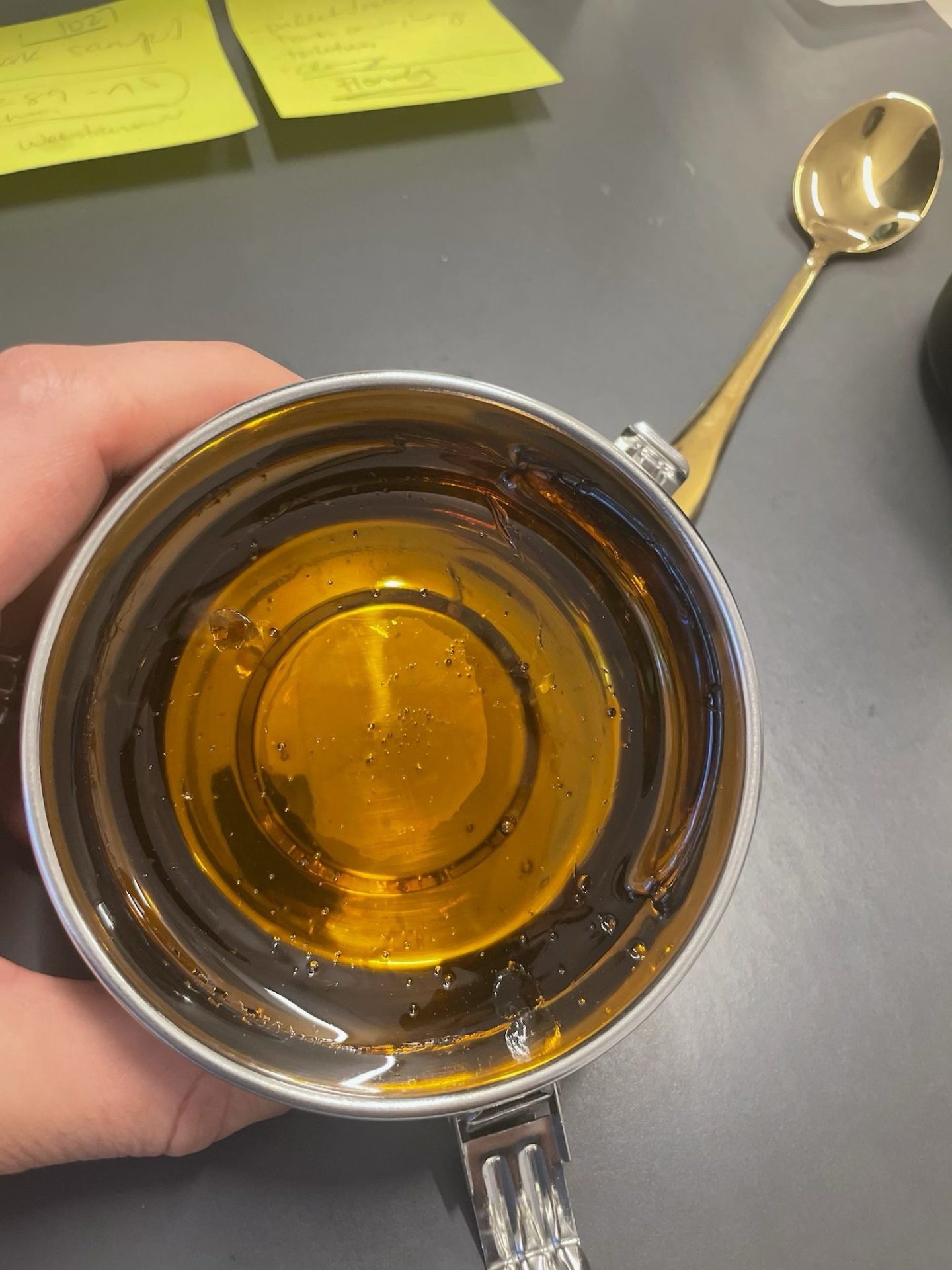
Real product photos
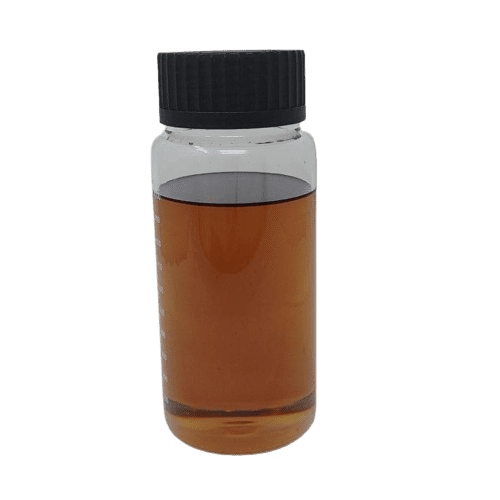
Photos of real batches from our THC-P range. Color and clarity vary slightly from batch to batch.
More THCP
Other THC Collections
Shop by Form
Bulk quote or a batch COA
Request THC-P Pricing
For 25kg and up, standing orders or a current batch COA. Our sales team responds the same or next business day.
"*" indicates required fields
What happens next
- We check current stock and volume pricing for the products you need.
- You get a quote by email with the representative COA.
- Approve the quote and we send payment instructions.
Prefer to talk? Call (303) 339-0343 or send us a message