A CBD tincture and CBD oil are usually the same product today: CBD dissolved in a carrier oil and sold in a dropper bottle. Strictly speaking, a tincture is an extract held in alcohol, while CBD oil uses an oil carrier such as MCT. Most products sold as "CBD tinctures," including most CBD tincture wholesale lines, are oil-based, so the two names have blurred together. For a brand, the real choice is the base: oil, alcohol or glycerin. This guide compares them, shows how each is made, explains dropper math and covers what the label should say.
| Spec | At a glance |
|---|---|
| Traditional tincture | Extract or active held in alcohol (ethanol), sometimes with water |
| CBD oil | CBD dissolved in a carrier oil such as MCT |
| What most shelves sell | Oil-based products labeled tincture or oil |
| Common bottle | 30 mL amber glass with a dropper |
| Strength math | mg per mL = total CBD mg / mL |
| THC check | 0.4 mg total THC or less per container from December 11, 2026 |
What Is a CBD Tincture?
In herbal practice, a tincture is a concentrated liquid extract made with alcohol, often ethanol mixed with water. The alcohol acts as both solvent and preservative. A true CBD tincture follows the same idea: CBD dissolved in food-grade ethanol, sometimes with glycerin or flavor to soften the taste.
The CBD market adopted the word for any dropper-bottle product, so a label reading "tincture" today usually describes an oil. That is not wrong in everyday use, but it means a buyer cannot tell the base from the front label alone; the ingredient list tells you.
What Is CBD Oil?
CBD oil is a CBD ingredient, usually isolate or distillate, dissolved in a carrier oil. MCT oil is the most common carrier because it is neutral in taste, stays liquid and resists going rancid. CBD oil is not the same as hemp seed oil, which is pressed from seeds and contains little or no CBD; our hemp oil vs CBD oil guide covers that difference.
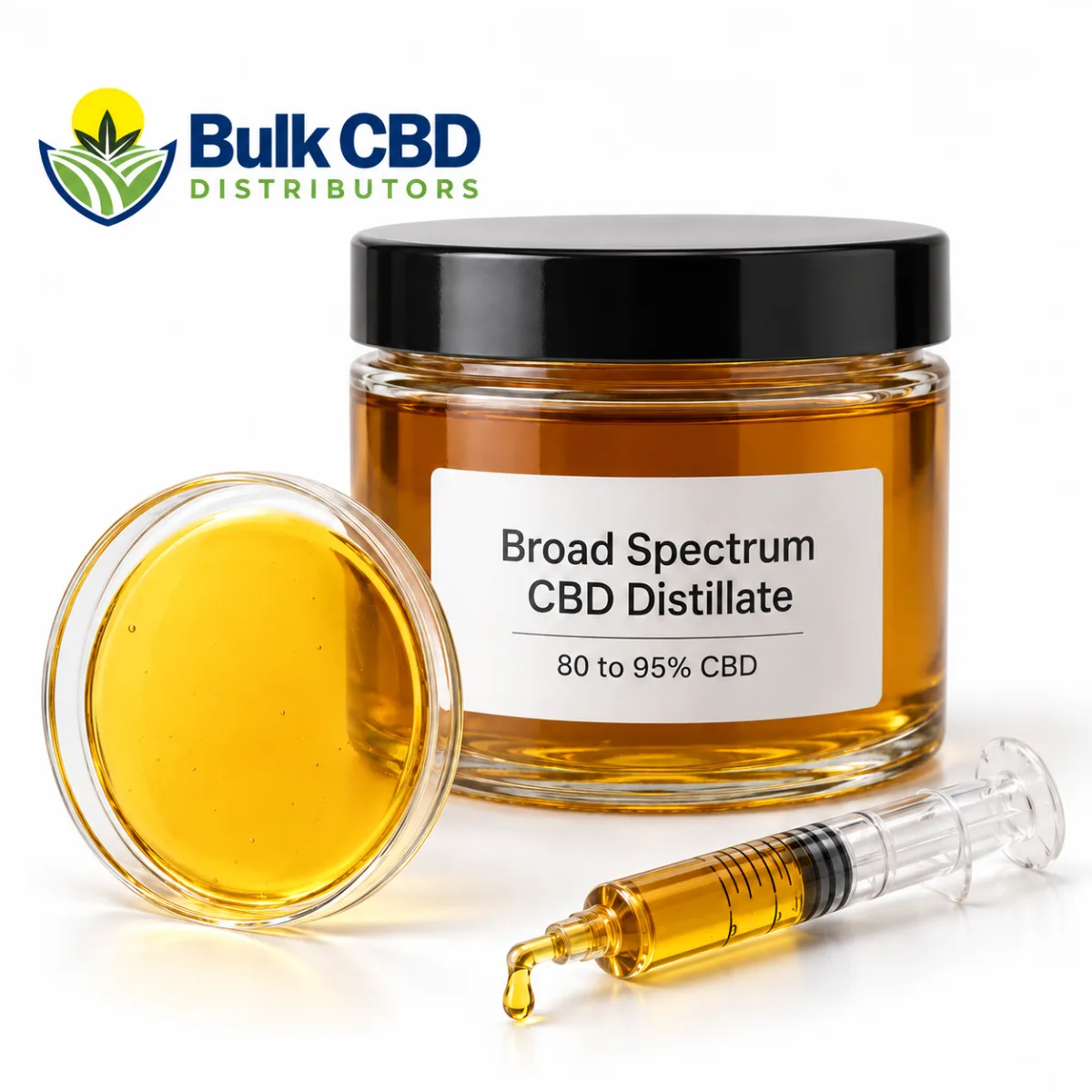
CBD Tincture vs Oil vs Glycerin: Bases Compared
| Factor | Oil base (CBD oil) | Alcohol base (true tincture) | Glycerin base |
|---|---|---|---|
| How CBD is held | Dissolved in the oil | Dissolved in ethanol | Only as water soluble CBD |
| Taste | Mild; carrier dependent | Sharp alcohol bite | Sweet |
| Texture | Smooth, oily | Thin, watery | Thick, syrupy |
| Preservation | Carrier can oxidize over time | Alcohol preserves well | Needs water activity or preservative control |
| Shipping and rules | Standard | Alcohol content can add shipping and labeling rules | Standard |
| Best fit | Most brands; simplest to make | Traditional extract lines | Alcohol-free and oil-free lines |
CBD dissolves readily in oils and in ethanol but not in water or plain glycerin, which is why glycerin products rely on water soluble CBD. For a deeper look at carriers, see our CBD carrier oil comparison.
How CBD Tinctures Are Made, Step by Step
- Choose the base. Pick MCT or another carrier oil for a standard oil tincture, food-grade ethanol for an alcohol tincture, or glycerin with water soluble CBD for an alcohol-free, oil-free version.
- Set the strength. Decide CBD per bottle and bottle size, for example 1,000 mg in 30 mL, which is 33.3 mg per mL.
- Calculate the CBD input. Divide the CBD needed by input potency as a decimal (0.99 for 99%) x 1,000 using the batch COA, and add a small overage of about 2 to 5%.
- Dissolve the CBD. For oil, warm the carrier to about 40 to 60 C and stir until the CBD is fully dissolved. Ethanol dissolves CBD at room temperature. For glycerin, use water soluble CBD and mix until uniform.
- Add flavor and mix. Add food-grade flavor and any sweetener, then mix long enough for an even blend through the whole tank.
- Fill and cap. Fill amber glass bottles with dropper caps. Graduated droppers make the mg per mL on the label easier to follow.
- Test and label. Test the finished lot at an ISO 17025-accredited third-party lab for CBD per mL and total THC, then label with the base, strength, lot and date.
The oil method is covered in full, with input choices, in our guide on how to make CBD oil.
Building a tincture line?
We supply the CBD isolate, distillates and water soluble CBD that tinctures start from, with MOQs of 100g to 1kg depending on the product. Send us your bottle size and strengths and we will help you size the input.
Strength and Dropper Math
A tincture's strength is the CBD per milliliter. A full dropper is usually about 1 mL, so mg per mL is also roughly mg per full dropper; check your actual dropper volume.
| CBD per bottle | CBD per mL | 99% isolate per bottle | 90% distillate per bottle |
|---|---|---|---|
| 500 mg | 16.7 mg | About 0.51 g | About 0.56 g |
| 1,000 mg | 33.3 mg | About 1.01 g | About 1.11 g |
| 1,500 mg | 50 mg | About 1.52 g | About 1.67 g |
| 3,000 mg | 100 mg | About 3.03 g | About 3.33 g |
These are input weights before overage. The CBD strength guide walks through overage and how finished test results compare with the label. It is label math only, not a serving recommendation.
Should the Label Say Tincture or Oil?
Either name is common, but the label should describe the base honestly. A useful rule: call an alcohol-based product a tincture, and call an oil-based product CBD oil or an oil tincture, with the carrier named in the ingredient list. Every label should also carry:
- CBD per container and per mL, and the bottle volume
- The full ingredient list, including carrier and flavor
- A lot number and a best-by date
- A link or QR code to the batch COA
- No statements about health effects
The THC Check From December 11, 2026
From December 11, 2026, Section 781 of P.L. 119-37 limits finished hemp products to 0.4 mg of total THC per container. A 1,000 mg tincture made with 1.11 g of a 90% distillate that carries 0.3% total THC holds about 3.3 mg of THC, more than eight times the cap. Non-detect inputs, such as CBD isolate or non-detect broad spectrum CBD distillate, help keep tinctures under it; confirm with finished-lot total THC testing. The full vs broad spectrum vs isolate guide compares THC levels by input.
Which Should Your Brand Make?
- Choose oil for most lines: it is the format shoppers expect, it is simple to make and MCT keeps well.
- Choose alcohol if your brand sells traditional extracts and you can manage the alcohol rules and taste.
- Choose glycerin with water soluble CBD for alcohol-free, oil-free products, and plan for preservation.
How BCD Supports Tincture Makers
Our CBD ingredients ship with the batch COA for the lot you receive, so you calculate from tested potency for that lot. We have supplied hemp ingredients since 2020 and work with a wide network of manufacturers and distributors, which helps us find lots that suit a tincture's THC and flavor needs. Testing is done by ISO 17025-accredited third-party labs.
Nothing is charged until we confirm your order, stock and total. Most orders ship the same or next day after payment, some take up to three business days, and all of them travel in blank, unmarked boxes.
What This Means for Your Business
- Tincture and oil are mostly the same product; the base is the real decision.
- Name the base honestly on the front label and in the ingredient list.
- Calculate mg per mL from the batch COA and test the finished lot.
- Use non-detect inputs for tinctures that will sell after December 11, 2026.
Frequently Asked Questions
Is a CBD tincture the same as CBD oil?
In most stores, yes. Most products sold as CBD tinctures are CBD dissolved in a carrier oil. Strictly, a tincture uses an alcohol base and CBD oil uses an oil base.
What is the difference between a tincture and an oil?
The base. A traditional tincture holds the active in alcohol; an oil holds it in a carrier oil such as MCT. Both usually come in a dropper bottle.
Are CBD tinctures made with alcohol?
Some are, but most CBD tinctures on the market are oil-based. Check the ingredient list for ethanol or alcohol.
Which lasts longer, a CBD tincture or CBD oil?
Alcohol preserves well, so true tinctures keep well. Oil products last as long as their carrier; MCT oil resists going rancid better than most.
What carrier oil is best for a CBD tincture?
MCT oil is the most common because it is neutral, stays liquid and resists oxidation. Hemp seed and olive oil are used for specific labels and flavors.
Can CBD dissolve in glycerin?
Not on its own. CBD does not dissolve in water or plain glycerin, so glycerin products use water soluble CBD.
How many mg of CBD are in a dropper?
A full dropper is usually about 1 mL, so it holds the mg per mL figure. A 1,000 mg, 30 mL bottle is about 33 mg per mL.
How do you make a CBD tincture?
Choose the base, set the strength, calculate the CBD input from the COA, dissolve it, add flavor, fill amber dropper bottles, then test and label the finished lot.
Should my label say tincture or oil?
Describe the base honestly: tincture for alcohol-based products, CBD oil or oil tincture for oil-based ones, with the carrier named in the ingredients.
What CBD input works best in tinctures?
CBD isolate for a neutral, THC-free product; broad spectrum distillate for a hemp profile; water soluble CBD for glycerin bases.