CBD oil for dogs and cats is CBD dissolved in a pet-friendly carrier oil, often flavored, and sold in a dropper bottle with the strength printed in mg per mL. What sets a good pet formula apart from a human one is not the CBD itself but everything around it: a THC-free input, carriers and flavors pets accept, a short list of ingredients that must stay out, and a label that describes contents rather than effects. Brands that would rather stock finished goods can browse wholesale CBD pet products; this guide is for brands developing their own. It explains how pet formulas are made, measured and labeled. It does not give serving amounts or veterinary advice.
| Spec | At a glance |
|---|---|
| CBD input | CBD isolate (99%+) or non-detect broad spectrum distillate |
| Carrier | MCT oil, hemp seed oil or a fish oil blend |
| Common bottle | 30 mL amber glass with a graduated dropper |
| Leave out | Xylitol, tea tree and peppermint oils, chocolate, alliums and alcohol bases |
| Label | mg per mL and per bottle, ingredients, lot, best-by date, no health claims |
| THC | Non-detect inputs; 0.4 mg total THC or less per container from December 11, 2026 |
How Pet CBD Formulas Differ From Human Ones
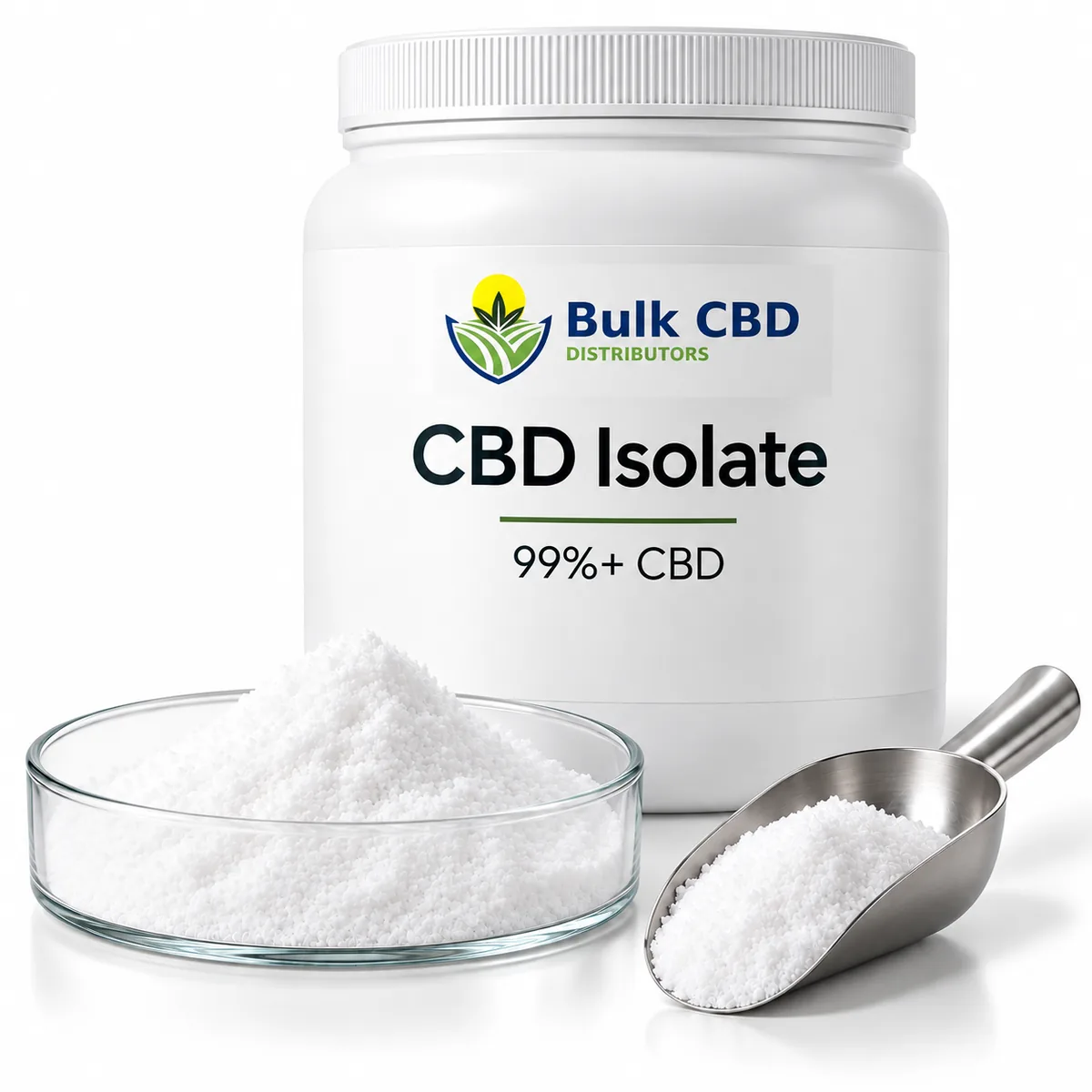
A dog or cat product starts from the same CBD ingredients as a human tincture. The differences come from the animal and the rules:
- THC stays out. Pet formulas are built on non-detect THC inputs, because animals are commonly exposed to THC by accident and veterinary poison lines list it as a common poisoning.
- The base is chosen for the species. Dog products commonly use savory flavors; cat products are often unflavored or lightly flavored.
- Some everyday ingredients are off limits. Sweeteners, scents and bases that are fine in human products can be unsafe for pets.
- The label is narrower. Pet CBD products cannot claim to do anything for an animal's health.
Choosing a THC-Free CBD Input
The ASPCA's veterinary resource on marijuana toxicosis in animals describes THC exposure as a common poison control case in pets. That is reason enough to build pet lines on inputs with non-detect THC.
| Input | CBD content | THC status | Fit for pet lines |
|---|---|---|---|
| CBD isolate | 99%+ | Non-detect | Best fit; neutral taste and color |
| Broad spectrum distillate | 80 to 95% | Standard grade 0.3% or less; Non-Detect grade available | Non-Detect grade only |
| Water soluble CBD | About 20% | Check the batch COA for THC status | Water-based formats |
| Full spectrum distillate | 75 to 85%+ | Standard typically above 0.3%; Compliant 0.3% or less | Not recommended for pet lines |
Carrier Oils and Flavors for Pet Products
MCT oil is the default carrier: it is neutral, stays liquid and keeps well. Hemp seed oil adds a nutty taste. Fish oils such as salmon oil are common in dog and cat products for flavor, but they oxidize quickly, so they need an antioxidant, tight caps and cool storage.
Flavor is where pet products differ most. Savory flavors such as chicken, beef, bacon or peanut butter suit dogs, as long as every flavor system is confirmed free of xylitol. Many cat products stay unflavored or use a light fish note.
Ingredients to Leave Out of Pet Formulas
Cornell University's College of Veterinary Medicine keeps a list of common small animal toxins. Several are ingredients a formulator might reach for in a human product:
| Ingredient | Why it stays out | Where it hides |
|---|---|---|
| Xylitol | Toxic to dogs | Sugar-free sweeteners and some flavor systems |
| Tea tree oil | Highly toxic to dogs and especially cats | Natural flavor and scent blends |
| Peppermint oil and menthol | Toxic to cats | Breath and mint flavor blends |
| Propylene glycol | Toxic to dogs and cats | Flavor carriers and tincture bases |
| Benzyl alcohol | May be very toxic to cats | Preservatives and flavor solvents |
| Garlic and onion | May be toxic to dogs and cats | Savory flavors and seasonings |
| Chocolate and cocoa | Toxic to dogs and cats | Treat coatings and flavors |
| Grapes and raisins | Toxic to dogs | Fruit flavors and treat fillings |
| Alcohol (ethanol) | Can be toxic to animals | Alcohol-based tinctures and extracts |
Ask every flavor and excipient supplier for a full composition statement, not just a flavor name.
How Pet CBD Oil Is Made, Step by Step
- Set the bottle strength. Choose the total CBD per bottle and the bottle size, for example 300 mg in 30 mL, which is 10 mg per mL.
- Calculate the CBD input. Divide the CBD needed by input potency as a decimal (0.99 for 99%) x 1,000 using the batch COA of a non-detect THC input, and add a small overage of about 2 to 5%.
- Warm the carrier. Warm MCT or the chosen carrier gently, to about 40 to 60 C, in a clean stainless vessel.
- Dissolve the CBD. Stir in the CBD isolate or distillate until fully dissolved and the oil is clear.
- Add antioxidant and flavor. Add vitamin E or another antioxidant, especially with fish oils, and a pet-safe flavor with no xylitol, tea tree or peppermint oil.
- Fill with graduated droppers. Fill amber glass bottles fitted with droppers marked in fractions of a mL, so the mg per mL on the label is easy to follow.
- Test and label the lot. Test the finished lot at an ISO 17025-accredited third-party lab for CBD per mL and total THC, then label it without health claims.
Developing a pet line?
We supply non-detect CBD isolate and broad spectrum distillate for pet formulas, with MOQs of 100g to 1kg depending on the product, and a batch COA with every order. Tell us about your formats and we will match a lot to them.
Strength Labels: mg per mL and per Bottle
Pet oils state CBD per bottle and per mL so owners and veterinarians can read them clearly. The math is the same as for any oil:
mg per mL = total CBD mg / bottle volume in mL
| CBD per bottle | CBD per mL | 99% isolate per bottle |
|---|---|---|
| 150 mg | 5 mg | About 0.15 g |
| 300 mg | 10 mg | About 0.30 g |
| 600 mg | 20 mg | About 0.61 g |
| 1,000 mg | 33.3 mg | About 1.01 g |
This is label and batch math only. Any guidance on how much to give a particular animal should come from the veterinarian who advises the brand, not from a formulation table. The CBD strength guide covers overage and finished-lot testing.
Chews, Treats and Paw Balms
- Soft chews and biscuits. Baking heat can reduce CBD, so many makers add it after baking in a coating, or confirm potency on the finished baked piece. Water soluble CBD mixes into doughs more evenly than oils.
- Paw and nose balms. These are external products built like a human balm, with the same leave-out list applied to scents and oils.
- Food rules. Treats and chews are animal food, which brings stricter federal and state rules, covered below.
Pet CBD Labels and FDA Rules
The FDA's questions and answers on cannabis products state that it has not approved cannabis for any use in animals, and that adding CBD or THC to animal food sold across state lines is a prohibited act. The agency has sent warning letters to pet CBD sellers whose marketing promised health outcomes for animals. In practice:
- Describe the product by what is in it: CBD per bottle, per mL, carrier, flavor and lot.
- Keep health, condition and behavior outcomes off the label, the website, social posts and reviews you repost.
- Treats and chews are animal food: the FDA treats added CBD in animal food as a prohibited act in interstate commerce, and state feed rules vary, so get regulatory advice first.
- Put a link or QR code to the batch COA on the package.
Section 781 and Pet Products
From December 11, 2026, Section 781 of P.L. 119-37 limits finished hemp products to 0.4 mg of total THC per container. Pet formulas built on non-detect inputs should come in under it; confirm with finished-lot testing. The 2026 hemp law guide explains the full rule.
Make, White Label or Stock Finished Pet Products
Brands can formulate in-house from bulk ingredients, use our white label CBD program to put their name on finished goods, or carry finished CBD pet products from our Retail Ready section.
How BCD Supports Pet Brands
We supply non-detect CBD isolate and broad spectrum distillate, each with the batch COA for the exact lot you receive. Our relationships across hemp manufacturing and distribution let us find lots that suit pet lines, and testing is done by ISO 17025-accredited third-party labs.
Every order starts as a request that we confirm before you pay. Most orders leave the same or next day after payment, some take up to three business days, and boxes carry no brand markings.
What This Means for Your Business
- Build pet lines on non-detect THC inputs, with the batch COA on file.
- Screen every flavor and excipient against the leave-out list.
- Label contents, not outcomes, on the package and in all marketing.
- Get serving guidance from a veterinarian who advises the brand, where state rules allow.
Frequently Asked Questions
What is CBD oil for dogs?
It is CBD dissolved in a carrier oil, often flavored for dogs, sold in a dropper bottle with the CBD per mL on the label. It is made like a human CBD oil, with a THC-free input and pet-safe ingredients.
Is CBD oil for dogs different from human CBD oil?
The CBD is the same; the formula around it differs. Pet products use non-detect THC inputs, pet-safe carriers and flavors, and leave out ingredients such as xylitol, tea tree oil and peppermint oil.
What CBD input is used in pet products?
Usually CBD isolate (99%+, non-detect THC) or a Non-Detect grade of broad spectrum distillate.
What carrier oil is used for pet CBD oil?
MCT oil is the most common. Hemp seed oil and fish oils such as salmon oil are also used; fish oils need an antioxidant because they oxidize quickly.
Which ingredients should be left out of pet CBD products?
Xylitol, tea tree oil, peppermint oil and menthol, propylene glycol, garlic and onion, chocolate and cocoa, grapes and raisins, and alcohol bases, among others. Ask suppliers for full composition statements.
Has the FDA approved CBD for pets?
No. The FDA states it has not approved cannabis for any use in animals, and treats adding CBD to animal food sold across state lines as a prohibited act.
Can pet CBD products contain THC?
Pet formulas are built on non-detect THC inputs. From December 11, 2026, all finished hemp products must also stay at 0.4 mg of total THC or less per container.
How strong is pet CBD oil?
Labels commonly range from about 150 to 1,000 mg per 30 mL bottle, or 5 to about 33 mg per mL. That is label math; serving guidance should come from a veterinarian.
Can you make CBD dog treats?
Treats and chews are animal food, and the FDA's position is that animal food with added CBD cannot be sold across state lines. Get regulatory advice and check state feed rules first. Makers that go ahead often add CBD after baking in a coating or confirm potency on the baked piece.
Can pet CBD labels make health claims?
No. Describe what is in the product, not what it does. The FDA has warned sellers whose pet CBD marketing promised health outcomes.
Related Reading
- How to Make CBD Oil from Isolate or Distillate: A Production Guide
- CBD Carrier Oils Compared: MCT, Hemp Seed, Olive and More
- CBD Tincture vs CBD Oil: What Is the Difference and How Tinctures Are Made
Disclaimer: This article is general product development information for businesses that make or sell pet products. It is not veterinary advice, and it does not describe or suggest any effect of CBD on animals. The FDA has not approved CBD for any use in animals. Speak with a licensed veterinarian before giving any product to a specific animal, and check federal and state rules before selling pet products that contain hemp.