Bulk CBGA isolate for sale
CBGA Isolate
Bulk CBGA isolate is 99%+ pure cannabigerolic acid in a white to off-white crystalline powder, the acidic precursor that converts to CBG with heat, with Delta-9 THC at non-detect to 0.3% or less and typically non-detect. It is used in raw and acidic cannabinoid formulas such as capsules, tinctures and topicals made without high heat. We sell it wholesale from 100g to 1kg online at $1,895 to $3,490 per kg, with much lower per-kg pricing at higher volume and larger orders by quote. Every order ships with the batch COA from a third-party ISO 17025 lab, and most orders ship the same or next day once paid.
- 99%+ CBGA purity
- White to off-white crystalline powder
- Delta-9 typically non-detect
- 12-month sealed shelf life
Price range $349 to $1,895. Payment is taken only after we confirm your order.
No payment required at checkout. We send payment instructions after confirming your order. Need a large order or regular supply? Request a bulk quote or make an offer.


- Cash App

- Submit your order request. No payment is taken on the site.
- We confirm and email payment instructions (card, wire, Cash App or crypto).
- Most orders ship the same or next day once payment is received.
- Tested by third-party ISO 17025, DEA-registered labs
- Batch COA ships with every order
- cGMP Standards
- USA-grown, non-GMO hemp
Questions about specs or volume? Call (303) 339-0343 or send us a message
 1 / 8
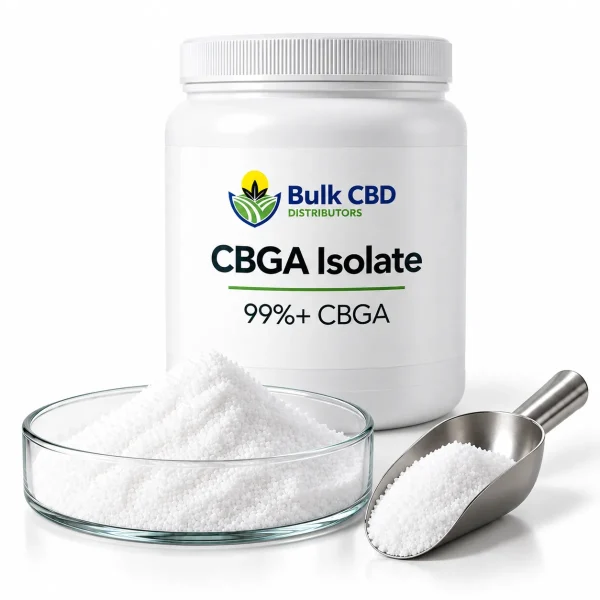
1 / 8CBGA Isolate is a 99%+ pure crystalline cannabigerolic acid powder, the biosynthetic precursor (“mother cannabinoid”) to THCA, CBDA, CBCA, and major cannabinoids. C22H32O4, MW 360.49, CAS 25555-57-1. Decarboxylates to CBG at ~110°C. Used in raw tinctures, multi-acidic-cannabinoid products (CBGA + CBDA + THCA), cold-process soft gels, topicals, and analytical reference material. Available online from 100g to 1kg, with larger volumes by bulk quote. Refrigerated storage recommended. Produced in cGMP-compliant facilities, ISO 17025 third-party tested, Farm Bill compliant.
Choose your size and submit your order request below. We confirm availability and email payment instructions; most orders ship the same or next day once payment is received. Need larger volumes? Request a bulk quote.
Certificate of Analysis Representative
- Lab
- KCA Laboratories (third-party, ISO 17025 accredited)
- Tested
- 08-11-2025
- Potency
- CBGA 65.6%
Batch COA ships with every order. View the full COA
Trusted and Accredited
Independently reviewed by wholesale buyers on Google, Trustpilot, Sitejabber, and Chamber of Commerce.


CBGA Isolate: Bulk and Wholesale
CBGA Isolate is a 99%+ pure crystalline cannabigerolic acid (CBGA) powder, the biosynthetic precursor cannabinoid often called the 'mother cannabinoid' because all major cannabinoids in the cannabis plant biosynthetically derive from CBGA. In the living hemp plant, CBGA is the foundational cannabinoid that enzymatic pathways convert into THCA, CBDA, CBCA, and other acidic precursor cannabinoids, which then decarboxylate to the familiar major cannabinoids (THC, CBD, CBC). CBGA itself decarboxylates to CBG with heat, time, or light exposure. CBGA isolate captures this foundational cannabinoid in its acidic precursor form for finished products positioned around the biosynthetic-precursor or unheated/uncured cannabinoid narrative. Available online in 100g, 500g and 1kg sizes, with larger volumes by bulk quote and significantly reduced pricing at higher volume. Material is produced in cGMP-compliant facilities and third-party tested through ISO 17025-accredited laboratories.
Quick Facts
Updated October 2026- What it is
- CBGA Isolate is a 99%+ pure crystalline cannabigerolic acid (CBGA) powder, the biosynthetic precursor cannabinoid often called the 'mother cannabinoid' because all major cannabinoids in the cannabis plant biosynthetically derive from CBGA.
- CBGA Purity
- Typically 99%+ (batch-dependent, see COA)
- Delta-9 THC
- Non-detect to 0.3% or less by dry weight (typically non-detect on COA)
- Sizes
- 100g, 500g and 1kg online; larger volumes by bulk quote.
- Shipping
- Most orders ship the same or next day once payment is received.
- Payment
- Card, wire, Cash App or crypto after we confirm your order. Wire is recommended for orders over $2,500.
- Samples
- Order your 100 gram sample. The 100g size works as your sample before a larger order.
- COA
- Representative COA on this page; the batch COA ships with every order.
- Section 781
- CBGA stays within the federal hemp definition under Section 781 of P.L. 119-37; finished products must meet the per-container total THC limit.
Product Specifications
| Product Type | Hemp-derived cannabigerolic acid (CBGA) isolate |
|---|---|
| Primary Cannabinoid | Cannabigerolic Acid (CBGA) |
| Chemical Formula | C22H32O4 |
| Molecular Weight | 360.49 g/mol |
| CAS Number | 25555-57-1 |
| Distinctive Feature | Biosynthetic precursor ("mother cannabinoid") to THCA, CBDA, CBCA, and other major acidic cannabinoids; decarboxylates to CBG with heat exposure |
| Form / Appearance | White to off-white crystalline powder |
| CBGA Purity | Typically 99%+ (batch-dependent, see COA) |
| Delta-9 THC Content | Non-detect to 0.3% or less by dry weight (typically non-detect on COA) |
| Solubility | Insoluble in water; soluble in ethanol, MCT oil, and lipid carriers |
| Typical Decarboxylation Temperature | ~110°C / 230°F (CBGA -> CBG) |
| Source | USA-grown licensed CBG-rich hemp (chemotypes bred to accumulate CBGA) |
| Available Sizes | 100g, 500g and 1kg online; larger volumes up to 100kg+ by bulk quote |
| Storage | Cool, dry, light-protected (refrigeration recommended, see Storage and Handling) |
| Typical Shelf Life | 12 months sealed under refrigerated conditions; less under ambient conditions |
| Lead Time | Most orders ship the same or next day once payment is received; longer for custom volumes |
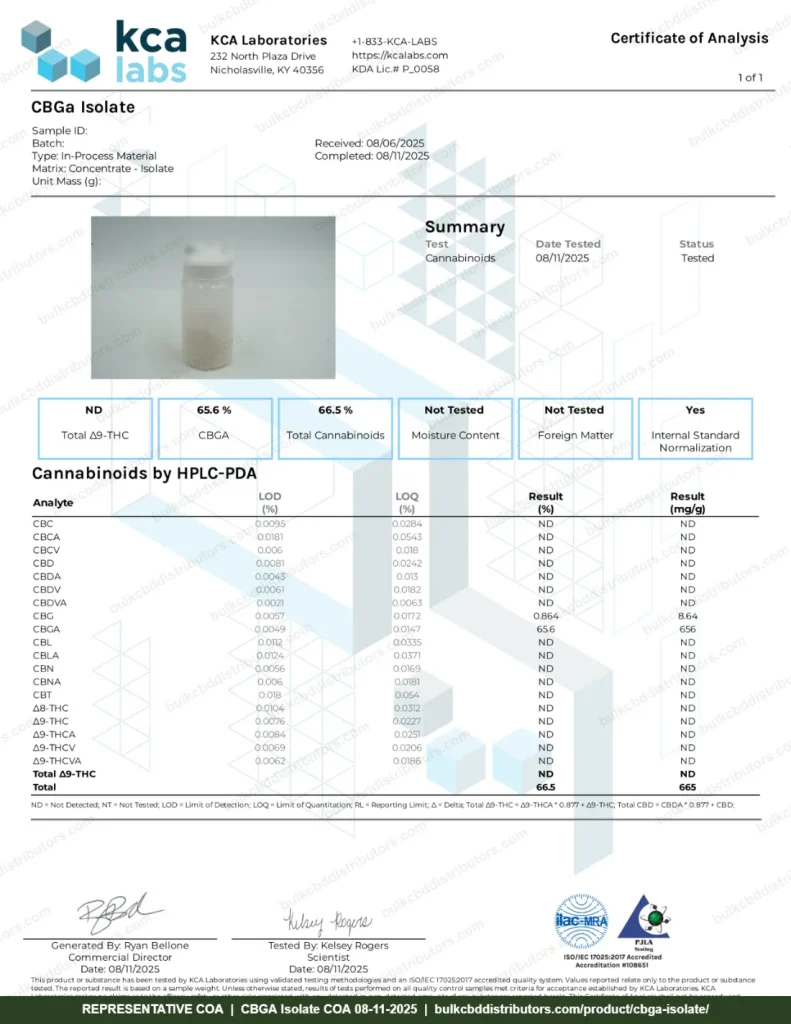
CBGA Isolate Certificate of Analysis
- Testing lab
- KCA Laboratories (third-party, ISO 17025 accredited)
- Test date
- 08-11-2025
- Potency
- CBGA 65.6%
This is a representative COA for CBGA Isolate. The batch COA for your lot ships with every order.
Open full CBGA Isolate COA 08-11-2025 (PDF)Request a current batch COAView all 2 CBGA Isolate COAs and batch-to-batch results
Buy CBGA Isolate in Bulk: Price per kg
| Size | Price | Per kg | Per gram | Per-kg saving vs 100g |
|---|---|---|---|---|
| 100g | $349 | $3,490.00 | $3.49 | Base price |
| 500g | $995 | $1,990.00 | $1.99 | 43% less |
| 1kg | $1,895 | $1,895.00 | $1.90 | 46% less (lowest per kg online) |
| Larger volumes | Request a bulk quote or make an offer | |||
How much CBGA Isolate do you need?Calculator: grams for your production run, the sizes to buy and cost per unit
Order-sizing arithmetic only, not formulation advice. Use the potency on your batch COA.
Know your price? Make an offer on CBGA IsolateFrom 1kg, one-time or on a schedule. We reply within 1 to 3 business days.
Not sure what to offer? Use the bulk quote form further down and we will price it for you.
Bulk and Wholesale Volume Tiers
CBGA Isolate is sold online in 100g, 500g and 1kg sizes; larger volumes up to 100kg+ are available by bulk quote. Premium pricing reflects the timed-harvest cultivation requirements and cold-process production infrastructure required for commercial CBGA isolate production, temperature-controlled extraction, low-temperature distillation, and refrigerated post-production handling all add cost compared to standard CBG isolate. Standing-order arrangements are available for buyers with recurring volume needs.
Manufacturing Applications
Raw and Cold-Process Tinctures
10 to 50 mg/mLCBGA isolate as the primary cannabinoid in raw-cannabinoid tinctures positioned around the biosynthetic-precursor narrative. Typical concentrations: 10 to 50 mg/mL CBGA in carrier oils. Cold-process formulation methods preserve the CBGA structure during manufacturing.
Multi-Acidic-Cannabinoid Products (Distinctive Application)
Used as the keystone cannabinoid in specialty SKUs combining CBGA with CBDA and THCA, the multi-acidic-cannabinoid blends positioned around the unheated-cannabinoid narrative or the biosynthetic-precursor narrative. Often formulated to roughly mirror the natural cannabinoid ratios in young hemp.
Cold-Process Soft Gels and Capsules
5 to 25 mgUsed in soft gels and capsules manufactured under cold-process conditions where the heat profile stays below decarboxylation threshold. Typical doses: 5 to 25 mg CBGA per finished serving, often combined with CBDA.
Cold-Fill Functional Beverages
Used in cold-fill functional beverages and shots positioned around acidic-cannabinoid content.
Topical and Skincare Formulations
0.5 to 2%Used in topical balms, salves, and skincare formulations where the manufacturing heat profile preserves CBGA structure. Typical concentrations: 0.5 to 2% CBGA by weight.
Pet Product Programs
Used in pet tinctures targeting acidic-cannabinoid product market segments.
Research and Development Applications
Used by formulators evaluating biosynthetic-precursor cannabinoid behavior. Used by analytical laboratories as reference material for cannabinoid potency testing, particularly important for laboratories testing acidic cannabinoid content. Used by cannabis biology researchers studying cannabinoid biosynthesis pathways.
Specialty Edible Programs
Used in cold-process gummies and edibles manufactured under temperature-controlled conditions.
Mix CBGA isolate into your carrier without heat, or keep it below about 60 C (140 F). Heat converts CBGA to CBG, so add it after any heated steps and store finished batches cool.
How CBGA Isolate Is Produced
Source Material, Timed Harvest
USA-grown licensed CBG-rich hemp chemotypes bred to accumulate CBGA rather than converting it into THCA, CBDA, or CBCA. This requires specialized cultivation and harvest timing rather than standard hemp processing infrastructure.
Cold Extraction
Cannabinoids are extracted using cold-process CO₂ or cold ethanol methods with strict temperature control to prevent CBGA decarboxylation during processing.
Cold Winterization
Cold ethanol filtration at sub-zero temperatures removes fats, waxes, and lipids while preserving CBGA structure.
Low-Temperature Purification
Low-temperature purification methods concentrate the CBGA fraction, since standard distillation temperatures would decarboxylate CBGA. The narrow temperature window for CBGA distillation requires precise process control.
Crystallization
The CBGA fraction undergoes crystallization to produce 99%+ pure CBGA crystals. Recrystallization achieves maximum purity.
Drying and Milling
Crystals are carefully dried under controlled temperature conditions and milled to a uniform crystalline powder.
Compliance Verification and QA
Every batch undergoes ISO 17025-accredited third-party testing verifying CBGA purity (typically 99%+), residual CBG content (a measure of production-process decarboxylation), Delta-9 compliance (typically non-detect), and absence of contaminants.
CBG Ingredients We Carry
Compare every CBG ingredient we carry by form, typical potency and common use. Typical potencies are batch-dependent; the batch COA for your lot ships with every order.
| Ingredient | Form | Typical potency | Common uses |
|---|---|---|---|
| CBG Isolate | Isolate powder | 99%+ CBG | Exact-dose tinctures, capsules, edibles and topicals |
| CBGA Isolate (this page) | Isolate powder | 99%+ CBGA | Acid-form formulas made without high heat |
| Broad Spectrum CBG Distillate | Distillate oil | 80 to 95% CBG | Tinctures, soft gels, edibles and vape formulas |
| Crystal Resistant CBG Distillate | Crystal resistant distillate | 45 to 60%+ CBG | Vape carts and liquid formulas where crystals cause problems |
| Water Soluble CBG | Water soluble liquid or powder | Around 20% CBG | Beverages, drink mixes, gummies and shots |
| CBG Crude Oil | Crude oil | About 60% CBG | Feedstock for distillation and isolation |
What Is CBGA?
CBGA, short for cannabigerolic acid, is the biosynthetic precursor cannabinoid in the cannabis plant, often called the 'mother cannabinoid' because the major cannabinoids in hemp (THCA, CBDA, CBCA, and through decarboxylation, THC, CBD, CBC) are biosynthetically derived from CBGA through enzymatic pathways in the living plant. With molecular formula C22H32O4 and molecular weight 360.49 g/mol, CBGA is structurally distinct from CBG (C21H32O2, MW 316.48) by a carboxylic acid group (-COOH). CBGA decarboxylates to CBG at approximately 110°C / 230°F by losing the carboxylic acid group as carbon dioxide. In the hemp plant's biosynthetic pathway, CBGA can be converted enzymatically into THCA via THCA synthase, into CBDA via CBDA synthase, or into CBCA via CBCA synthase. This means hemp varieties dominant in CBD or THC have efficiently converted most of their CBGA into the downstream cannabinoids; the relatively small portion of unconverted CBGA remains as residual content. Commercial CBGA isolate is typically produced from CBG-rich hemp chemotypes in which a weakened synthase leaves most cannabinoid content as CBGA. As an acidic precursor cannabinoid, CBGA shares the temperature-sensitivity and storage considerations of CBDA and THCA.
Quality, Compliance and Storage
Quality Standards and Third-Party Lab Testing
CBGA Isolate is sourced from suppliers operating cGMP-compliant production facilities equipped for cold-process cannabinoid extraction with timed-harvest source material handling, and finished material is independently tested through ISO 17025-accredited third-party laboratories. Every batch ships with a Certificate of Analysis verifying CBGA purity (typically 99%+), residual CBG content (a measure of production-process decarboxylation), Delta-9 THC compliance below the 0.3% federal threshold, and absence of pesticides, heavy metals, residual solvents, mycotoxins, and microbial contamination.
Compliance and Regulatory Considerations
CBGA Isolate is produced from USA-grown hemp meeting the 2018 Farm Bill cultivation definition and is federally compliant on Delta-9 THC content. As a non-THC cannabinoid that does not convert to THC under standard finished-product processing conditions (decarboxylation produces CBG, not THC), CBGA generally faces standard hemp regulatory treatment at the state level. Buyers are responsible for verifying state-level cannabinoid product registration and labeling requirements applicable to their finished products.
Storage and Handling
CBGA Isolate requires careful storage given its temperature-sensitive nature. Store in a cool, dry environment at refrigerated temperatures (2 to 8°C / 36 to 46°F), protected from direct light and air. Ambient room-temperature storage accelerates decarboxylation and should be avoided for long-term inventory storage. Sealed original packaging in opaque, airtight containers preserves CBGA content. Once a container is opened, transfer unused material to airtight, light-protective storage immediately. Avoid exposure to temperatures above 30°C (86°F). Typical shelf life is 12 months under refrigerated conditions; significantly less under ambient conditions due to gradual decarboxylation.
Wholesale Buyers and Procurement Profiles
CBGA Isolate is sourced by manufacturers building biosynthetic-precursor product lines positioned around the 'mother cannabinoid' narrative, by formulators developing multi-acidic-cannabinoid SKUs combining CBGA with CBDA and THCA (the distinctive application), by tincture producers building raw-cannabinoid product programs, by topical and skincare manufacturers seeking acidic-cannabinoid differentiation, by cold-fill beverage producers, by pet product manufacturers building raw-cannabinoid pet programs, and by analytical laboratories sourcing CBGA isolate as reference material, particularly important for laboratories testing acidic cannabinoid content in finished products. Cannabis biology researchers also source CBGA for studies of cannabinoid biosynthesis pathways.
Submit an order request through the contact form on this page or call (303) 339-0343 for current pricing, COA documentation, and available volume.
CBGA Isolate Frequently Asked Questions
Find the Answers You Need
What is CBGA isolate?
CBGA isolate is a 99%+ pure crystalline cannabigerolic acid powder, the biosynthetic precursor cannabinoid often called the 'mother cannabinoid' because all major cannabinoids in the cannabis plant (THCA, CBDA, CBCA, and through decarboxylation, THC, CBD, CBC) are biosynthetically derived from CBGA.
Why is CBGA called the 'mother cannabinoid'?
In the living hemp plant, enzymatic pathways convert CBGA into the major acidic cannabinoids: CBGA -> THCA via THCA synthase, CBGA -> CBDA via CBDA synthase, and CBGA -> CBCA via CBCA synthase. This makes CBGA the biosynthetic starting point for the major cannabinoid families in cannabis.
How does CBGA differ from CBG?
CBGA (C₂₂H₃₂O₄, MW 360.49) differs from CBG (C₂₁H₃₂O₂, MW 316.48) by a carboxylic acid group (-COOH). CBGA decarboxylates to CBG at approximately 110°C / 230°F by removing the carboxylic acid group as carbon dioxide.
Will CBGA convert to CBG during my product manufacturing?
It depends on the heat profile of your manufacturing process. Cold-process methods preserve CBGA content. Methods involving sustained heat, such as baking and vaping, can convert most or all CBGA to CBG, and slower conversion also occurs below 110°C (230°F).
Is CBGA isolate Farm Bill compliant?
Yes, CBGA isolate produced from USA-grown hemp meets the ≤0.3% total THC threshold (Delta-9 THC plus 0.877 × THCA) by dry weight. As a non-THC cannabinoid that does not convert to THC under standard processing conditions, CBGA generally faces standard hemp regulatory treatment.
How is CBGA isolate produced?
Production starts with USA-grown CBG-rich hemp chemotypes bred to accumulate CBGA rather than converting it into downstream cannabinoids. Cold-process extraction, cold winterization, low-temperature distillation, crystallization to 99%+ purity, and controlled drying complete the process.
What manufacturing applications use CBGA isolate?
Raw and cold-process tinctures, multi-acidic-cannabinoid products combining CBGA with CBDA and THCA (distinctive application), cold-process soft gels, cold-fill beverages, topicals, pet products, and R&D applications including analytical reference material and cannabis biology research.
What sizes are available wholesale?
CBGA Isolate is sold online in 500g, 1kg and 5kg sizes; larger volumes up to 100kg+ are available by bulk quote.
How should CBGA isolate be stored?
Refrigerated storage at 2 to 8°C (36 to 46°F) is strongly recommended. Ambient room-temperature storage accelerates decarboxylation. Avoid exposure above 30°C (86°F).
Which other CBG ingredients do you carry?
Along with CBGA isolate, we carry CBG Isolate, Broad Spectrum CBG Distillate, Crystal Resistant CBG Distillate, Water Soluble CBG and CBG Crude Oil. The comparison table on this page lists each one by form, typical potency and common use.
What does 99%+ purity mean for CBGA isolate?
At least 99% of the material is CBGA, as measured on the COA. Your batch COA shows the exact result for your lot.
Does every CBGA isolate order include a Certificate of Analysis?
Yes. Any COA shown on this page is representative of product quality, and the batch COA for your specific lot ships with every order.
Guides for CBGA Isolate Buyers
3 reviews for CBGA Isolate
5.0 out of 5, based on 3 customer reviews
Running a health store means I have to be very selective about the products we carry, we added CBGA Isolate and it has been a great addition to our products.
This product is as pure as it gets. It is concentrated with nothing but high-quality CBGA. They back their claims with proper documentation and report. Will come back.
If you want to create products with CBGA this is the ingredient to use. We like it and look forward to buying more.
Write a review
You may also like
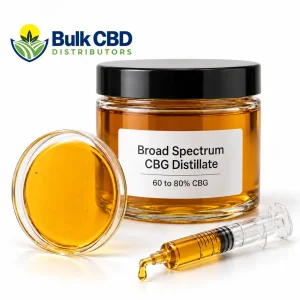 DistillateBroad Spectrum CBG Distillate$795 to $4,695
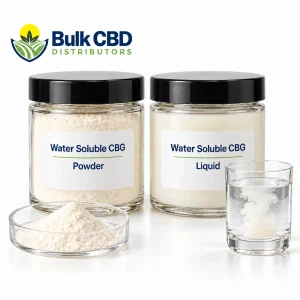 Water solubleWater Soluble CBG$449 to $849
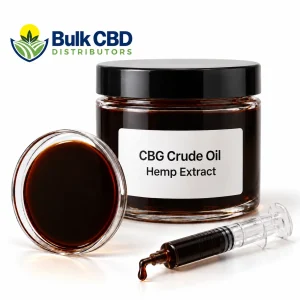 Crude oilCBG Crude Oil$329 to $2,695
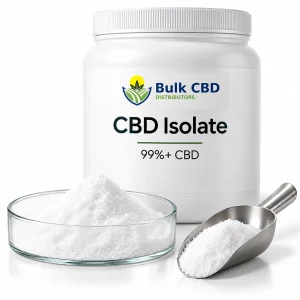 IsolateCBD Isolate$175 to $3,495
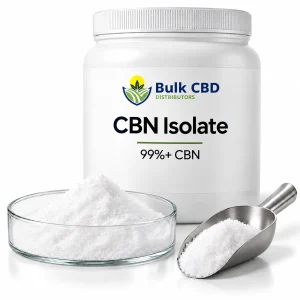 IsolateCBN Isolate$295 to $1,349
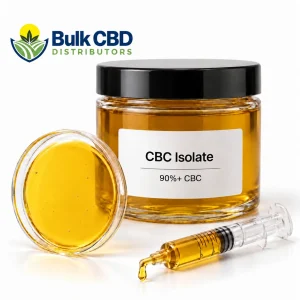 IsolateCBC Isolate$495 to $3,895
More isolate ingredients
Bulk quote
Request pricing for CBGA Isolate
For larger volumes, standing orders, a spec sheet or a current batch COA. A real person replies within one business day.
"*" indicates required fields
What happens next
- We check current stock and volume pricing for CBGA Isolate.
- You get a quote by email, with the representative COA.
- Approve the quote and we send payment instructions.
Prefer to talk? Call (303) 339-0343 or send us a message